语言选择: 


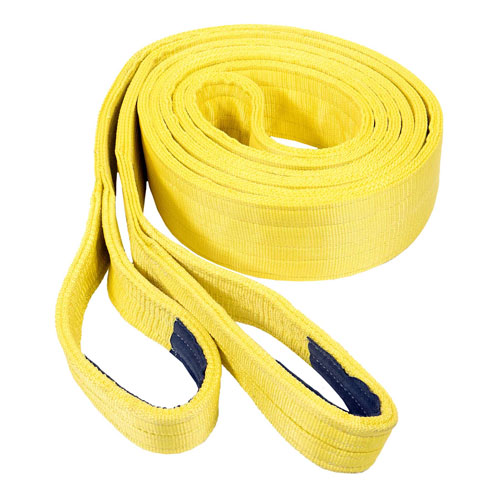
China Lifute Sling Group produce Heavy Duty Recovery Tow Straps,Heavy-Duty Recovery Strap Rope,Heavy Duty Vehicle Tow Rope,Heavy Duty Towing Recovery Straps.
Heavy Duty Recovery Tow Straps are specialized, high-strength tools designed for the critical task of extracting stuck or disabled vehicles from challenging situations. Unlike standard towing equipment, these straps are engineered to withstand immense stress and tension, making them indispensable for off-road enthusiasts, professional responders, and industrial operators alike. They serve as a reliable link between a recovery vehicle and a stuck vehicle, providing a safer and often more cost-effective alternative to calling professional services. The core purpose of a Heavy Duty Recovery Tow Strap is to facilitate a controlled and powerful pull, enabling the recovery of vehicles ranging from cars and trucks to heavy construction and mining equipment.
Key Features and Design Specifications
The effectiveness of a Heavy Duty Recovery Tow Strap is defined by a combination of robust materials, intelligent design, and critical performance ratings.
High Tensile Strength and Load Capacity
The most crucial feature is its high tensile strength, which refers to the maximum force the strap can endure before breaking. Quality straps have a breaking strength that far exceeds the weight of the vehicle being recovered to ensure a wide safety margin. Capacities vary widely to suit different needs. Consumer-focused straps for trucks and SUVs often range from 20,000 to 35,000 pounds, while industrial-grade Heavy Duty Recovery Tow Straps can offer break strengths from 70,000 lbs up to an impressive 380,000 lbs for recovering the heaviest machinery.
Durable Material and Construction
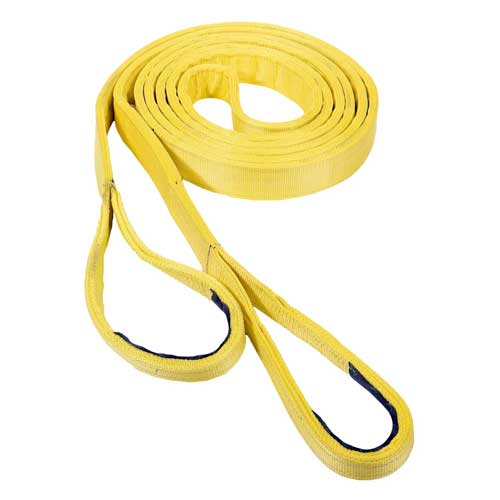
These straps are typically constructed from industrial-grade synthetic materials. Polyester is a common choice for its strength, UV resistance, and low stretch characteristics, which provide a stable and controlled pull. Nylon is also used, sometimes offering different elasticity properties. The webbing is often treated to resist environmental damage from oils, grease, chemicals, saltwater, and UV exposure, ensuring longevity even in harsh conditions.
Reinforced Attachment Points
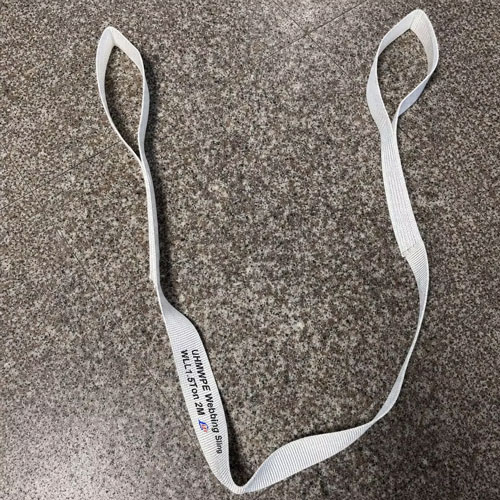
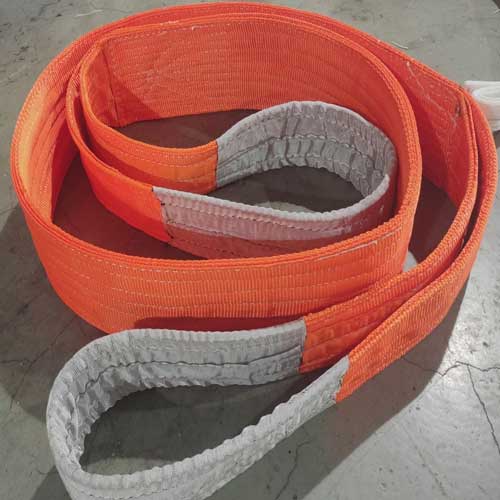
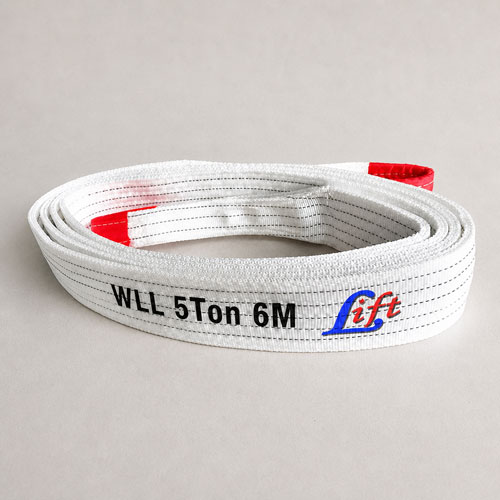
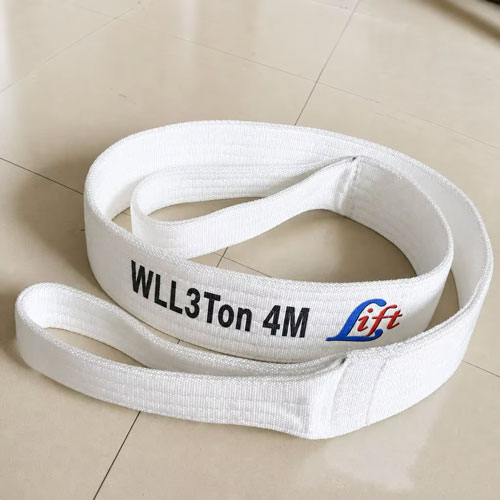
Safety during recovery hinges on secure connections. Most Heavy Duty Recovery Tow Straps feature reinforced loop ends. These loops are designed to distribute towing force evenly and allow for quick, secure attachment to vehicle tow hooks, D-rings, or recovery shackles. Some straps come as part of a kit that includes shackles and D-rings for immediate use.
Types and Applications
Understanding the different types of straps ensures the right tool is used for the job, maximizing safety and effectiveness.
Stretch (Kinetic) Recovery Straps vs. Static Tow Straps
A key distinction lies in the strap's elasticity. True recovery straps, often called kinetic or snatch straps, are designed to stretch significantly under load. This elasticity acts as a shock absorber, storing kinetic energy and releasing it gradually to create a smooth, dynamic pulling force that reduces shock loads on both vehicles' components. This makes them ideal for recovering vehicles stuck in mud, sand, or snow. In contrast, static tow straps have minimal stretch and are better suited for flat-tow recoveries or straightforward towing on stable surfaces where a dynamic jerk is not required or desired.
Versatile Use Across Industries
The application of Heavy Duty Recovery Tow Straps is broad. Their primary use is in off-road recovery for recreational vehicles like Jeeps, trucks, and ATVs. They are also vital for roadside assistance and emergency towing of disabled vehicles. Beyond consumer use, these straps see extensive industrial application in agriculture, mining, construction, and fleet services for moving heavy equipment and machinery.
Selection Guide and Safety Considerations
Choosing the correct Heavy Duty Recovery Tow Strap and using it safely are paramount.
How to Choose the Right Strap
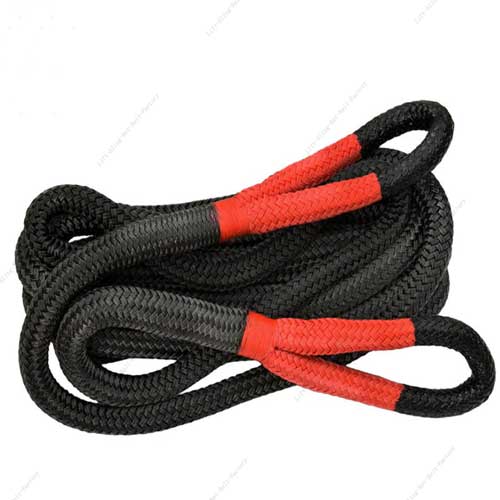
Selection should be based on your specific needs. First, consider the weight rating; the strap's break strength must be significantly higher than the gross weight of the vehicle you intend to recover. Next, determine the appropriate length and width; longer straps provide more positioning flexibility, while wider straps generally offer higher weight ratings. Finally, evaluate the attachment points (loops, hooks) to ensure they are compatible with your vehicle's recovery points and are sufficiently robust.
Essential Safety Practices
Safety must always be the priority. Always inspect the strap for cuts, abrasions, or damage before use. It is critical to understand and never exceed the strap's rated capacity. Use the strap only with properly rated and secured attachment points on both vehicles. During a kinetic recovery, all personnel should stand clear of the strap in case it fails. Following the manufacturer's instructions and warnings is non-negotiable to prevent serious injury or property damage.
Conclusion
A Heavy Duty Recovery Tow Strap is more than just a piece of equipment; it is a fundamental safety and recovery asset for anyone operating vehicles in unpredictable conditions. By combining immense strength with durable, weather-resistant materials and safe design features like reinforced loops, it provides a reliable solution for everything from weekend off-road adventures to demanding industrial recovery operations. Selecting the appropriate type—kinetic for dynamic pulls or static for controlled tows—and adhering to strict safety protocols ensures that this powerful tool performs effectively, protecting both people and property during critical recovery moments
Company:China Lifute Sling Group
Contact:Mss Wang
Tel:+8613365203036
Mobile:+8613365203036
E-mail:cnlift@126.com
Address:TaiZhou City, JiangSu Province, Lifute District ,China